
Tag: Grammar
Why is ‘-ed’ sometimes pronounced at the end of a word?

As in: learned, alleged, and wicked Did you ever notice that there are two different ways to pronounce the last syllable of words like beloved or alleged? The suffix -ed is the way we mark the past participle of many Read More …
Noun > Imperative
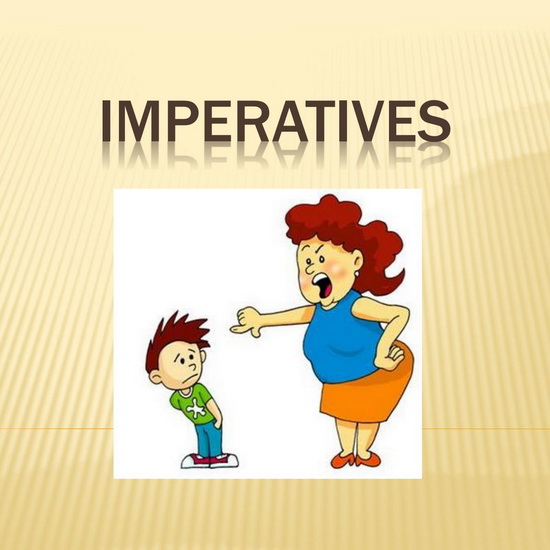
Noun – Imperative 1 [count] formal : a command, rule, duty, etc., that is very important or necessary She considers it a moral imperative to help people in need. 2 a grammar term : the form that a verb or Read More …
What are gerunds and how are they used in English?

A gerund is a word that looks like a verb, but functions as a noun in the sentence. Gerunds are formed by using the -ING form of the verb – reading, swimming, studying, etc. – but when it comes to Read More …
Do You Remember the Four Basic Sentence Structures?

For writers and readers alike, the simple sentence is the basic building block of language. As the name suggests, a simple sentence is usually very short, sometimes no more than a subject and verb. Definition In English grammar, a simple Read More …
Definition of Compound Sentences and How to Use Them

In a writer’s toolkit, few things are more versatile than a compound sentence. By definition, these sentences are more complex than a simple sentence because they contain two or more independent clauses. They are what gives an essay detail and depth, making Read More …
What Homer Simpson Can Teach You About Language

“English? Who needs that? I’m never going to England!” Woo-hoo! The immortal words of Mr. Homer Simpson—beer-guzzling, donut-popping patriarch, nuclear-power-plant safety inspector, and Springfield’s resident rhetorician. Indeed, Homer has contributed far more to the English language than just the popular interjection “D’oh.” Let’s Read More …
How to use HAVE HAD and HAD HAD

Are you confused about how to use HAVE HAD and HAD HAD in English? Today’s lesson will help you! First, we need to understand the present perfect tense and past perfect tense. Both of these tenses are formed by using an auxiliary verb + Read More …
The Four Sentence Types in English

There are four sentence types in English: Declarative, Imperative, Interrogative and Exclamatory. Declarative: Tom’ll come to the meeting tomorrow. Imperative: Turn to page 232 in your science book. Interrogative: Where do you live? Exclamatory: That’s awesome! Declarative A declarative sentence “declares” or states a fact, arrangement or opinion. Declarative Read More …
Understanding the Simple Present Tense

The present simple tense is typically one of the first verb tenses that new English students learn. It is used to describe action that takes place on a regular basis. The present simple also can be used to express feelings, Read More …