
Verb – Smudge 1 (+ object) : to make a dirty mark, spot, streak, etc., on (something) Don’t smudge the picture with your dirty hands! His face was smudged with grease. 2 a (no object) : to become blurry and Read More …

Ми вчимо Вас Англійській з 2008р!
Verb – Smudge 1 (+ object) : to make a dirty mark, spot, streak, etc., on (something) Don’t smudge the picture with your dirty hands! His face was smudged with grease. 2 a (no object) : to become blurry and Read More …

Verb – Swamp (+ object) 1 : to cover (something) with water The sea level rose and swamped the coastal villages. The boat sank after it was swamped by waves. 2 : to cause (someone or something) to have to Read More …

Noun – Anthology The word “anthology” has Greek roots that literally mean “flower collection.” Originally, going back to the year 1621, an anthology was a little booklet listing all the prayers and such to be read and sung in a Read More …

Noun – Spread 1 (noncount) : growth or increase that causes something to cover a larger area, affect a larger number of people, etc. — often + of We need to slow the spread of the disease/virus. the spread of Read More …
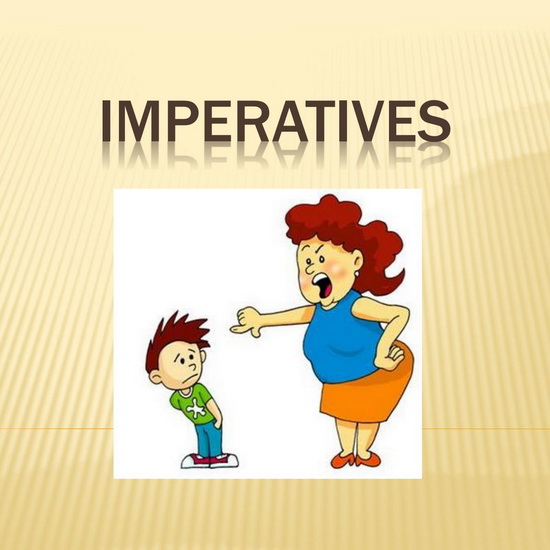
Noun – Imperative 1 [count] formal : a command, rule, duty, etc., that is very important or necessary She considers it a moral imperative to help people in need. 2 a grammar term : the form that a verb or Read More …

Verb – Flatter (+ object) 1 : to praise (someone) in a way that is not sincere He flattered her with comments about her youthful appearance. His comments flattered her. You’re just flattering me. 2 : to cause (someone) to Read More …

Noun – Component one of the parts of something (such as a system or mixture) : an important piece of something The components of an electric circuit He sells spare computer components. The interview is a key component in the Read More …

Verb – Stand out 1 : to be easily seen or noticed His bright tie made him stand out (in the crowd). The trees’ red leaves stood out against the gray sky. 2 : to be better or more important Read More …
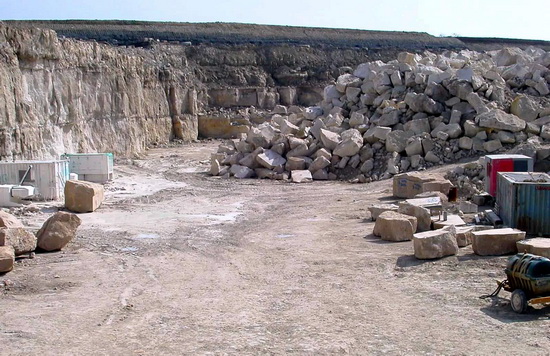
Noun – Quarry Let’s take a look at both kinds of quarries. The first “quarry” came into English through French, ultimately from the Latin cor, meaning “heart.” The meaning morphed from “heart” to “entrails” to “the body of an animal Read More …
